
Regional Sustainability ›› 2026, Vol. 7 ›› Issue (5): 100392.doi: 10.1016/j.regsus.2026.100392
• Research article • Previous Articles Next Articles
ZHAO Nana,b,c,d, ZHENG Xinjuna,d, DU Lane, LI Yana,d,f,*( )
)
Received:2025-06-24
Revised:2026-03-18
Accepted:2026-09-20
Published:2026-09-30
Online:2026-10-12
Contact:
LI Yan
E-mail:liyan@ms.xjb.ac.cn
ZHAO Nan, ZHENG Xinjun, DU Lan, LI Yan. Water use efficiency in oasis agriculture: Have we reached the limit of water-saving technologies?[J]. Regional Sustainability, 2026, 7(5): 100392.
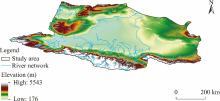
Fig. 1.
Overview of the study area."
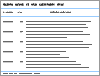
Table 1
Data sources and indicators."
| Item | Indicator | Data source |
|---|---|---|
| Ecosystem variable | Actual evapotranspiration (ETa) and gross primary productivity (GPP) | PML_V2 dataset (He et al., |
| Vegetation index | Leaf area index (LAI) | MOD15A2H |
| Agricultural data | Cropland area, planting area of the crops, crop unit yield, total production, annual market price, proportion of drip-irrigated land, and irrigation methods | Statistical Yearbook of Xinjiang Production and Construction Corps (Statistical Bureau of Xinjiang Production and Construction Corps, |
| Land use data | Land cover | China Land Cover Dataset (CLCD) (Yang and Huang, |
| Meteorological data | Precipitation and temperature | China Meteorological Forcing Dataset (CMFD) (2000-2018) (He et al., |
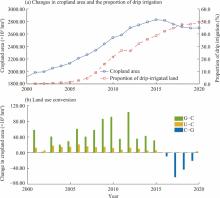
Fig. 2.
Changes in cropland area, irrigation patterns, and cropland-related land use conversions during 2000-2020. (a), changes in cropland area and the proportion of drip irrigation; (b), conversions between cropland and other land use types. G-C, area converted from grassland to cropland; U-C, area converted from unused land to cropland; C-G, area converted from cropland to grassland."
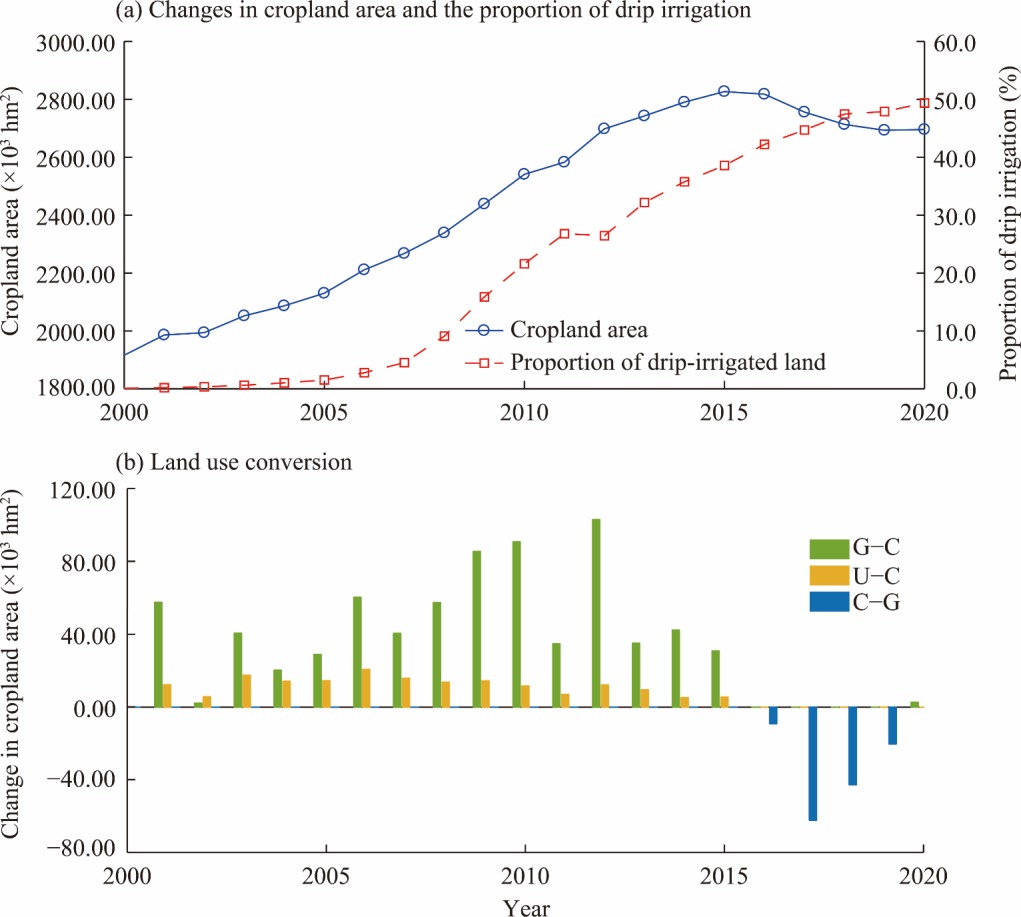
Fig. 3.
Spatial patterns and trends of the leaf area index (LAI), gross primary productivity (GPP), actual evapotranspiration (ETa), and water use efficiency (WUE) over the studied cropland during 2000-2020. (a-d), spatial distributions of mean annual LAI, GPP, ETa, and WUE over the studied cropland from 2000 to 2020, respectively (the ring plots illustrate the proportion in different value ranges); (e-h), spatial distributions of trends in LAI, GPP, ETa, and WUE based on the Sen’s slope, respectively (the ring plots depict the spatial trends of LAI, GPP, ETa, and WUE); (i-l), trend significance of LAI, GPP, ETa, and WUE assessed using the Theil-Sen estimator and Mann-Kendall trend test, respectively (the ring plots illustrate the proportion of each trend category)."
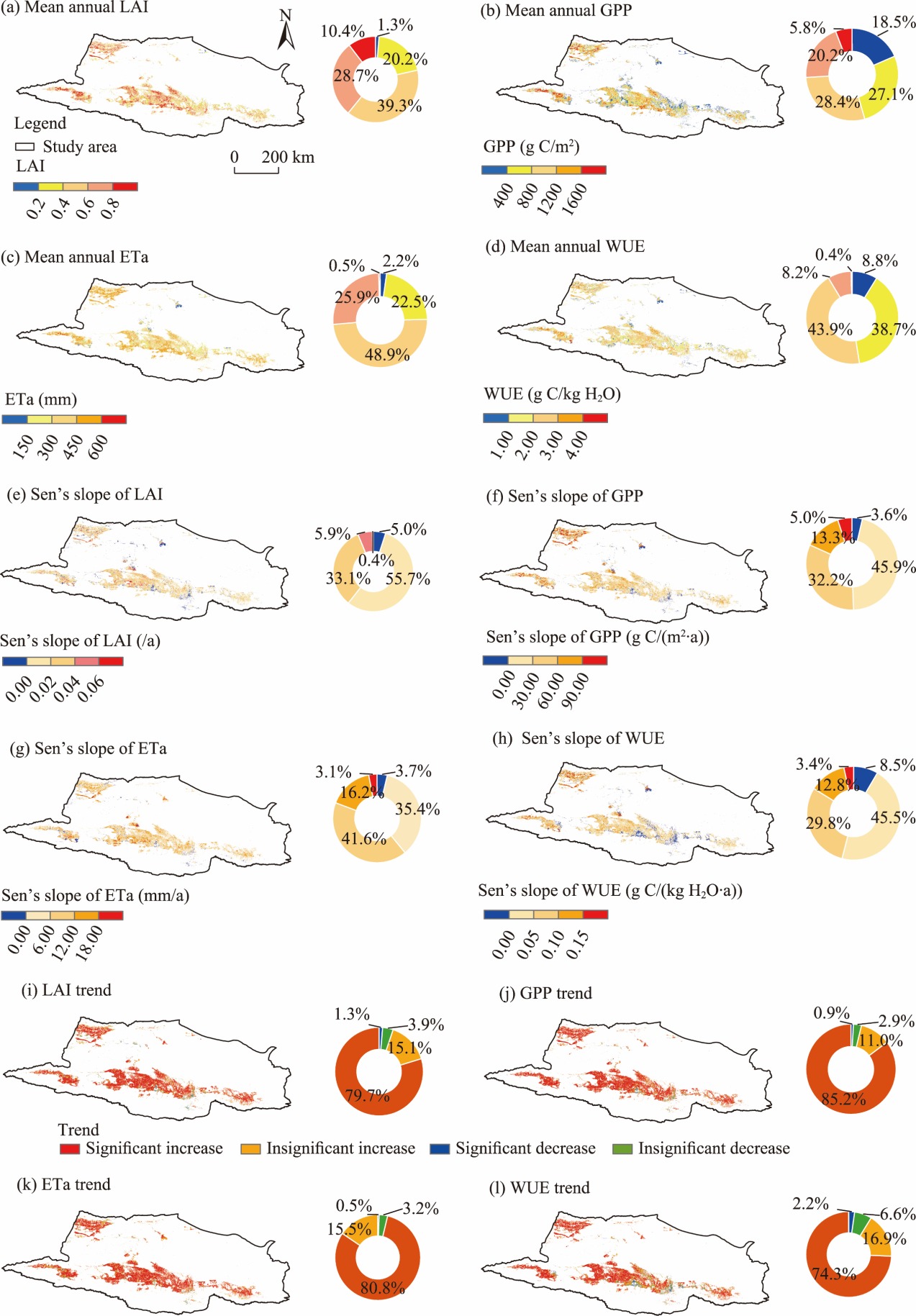
Fig. 4.
Spatial distribution of partial correlation coefficients between LAI and ETa (a), between LAI and GPP (b), between LAI and the ratio of transpiration to actual evapotranspiration (T/ETa) (c), and between LAI and WUE (d)."
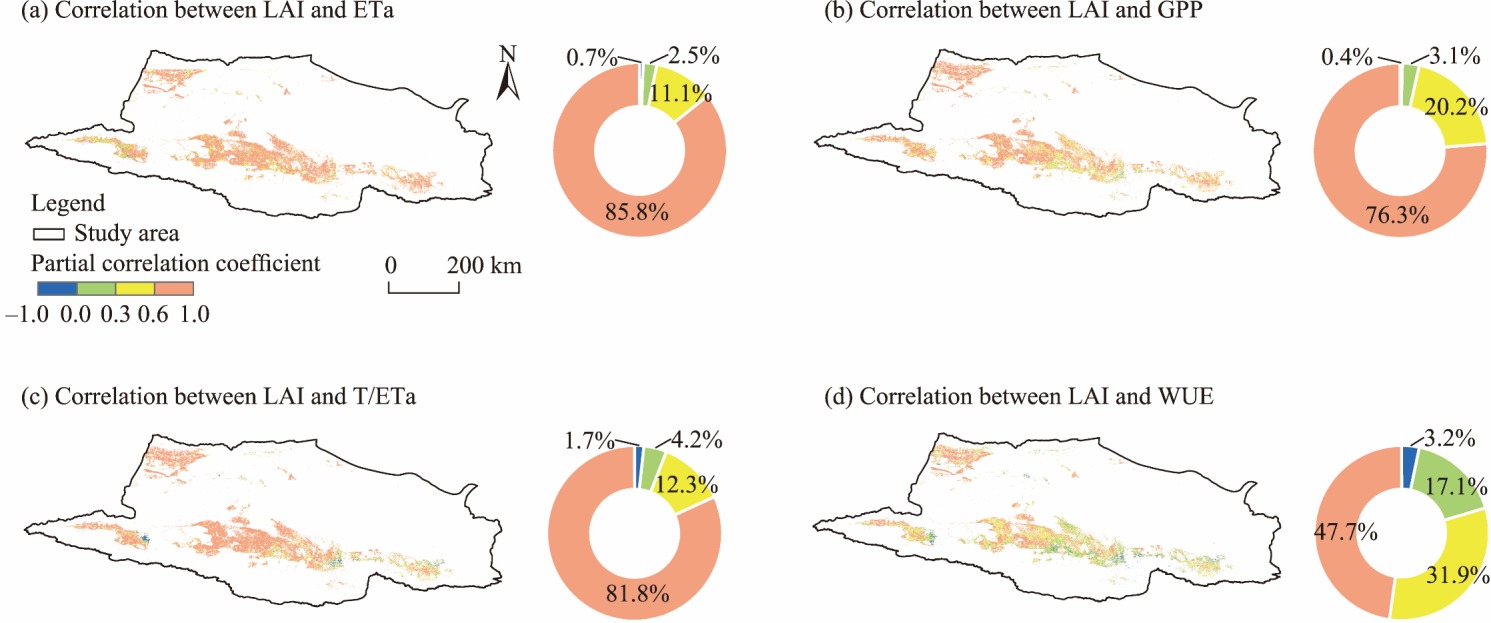
Fig. 5.
Seasonal trends of LAI (a), GPP (b), ETa (c), and WUE (d) in persistent cropland and cropland expansion areas. C, areas that remained cropland throughout 2000-2020. Data are presented as mean values and error bars represent the standard deviations."
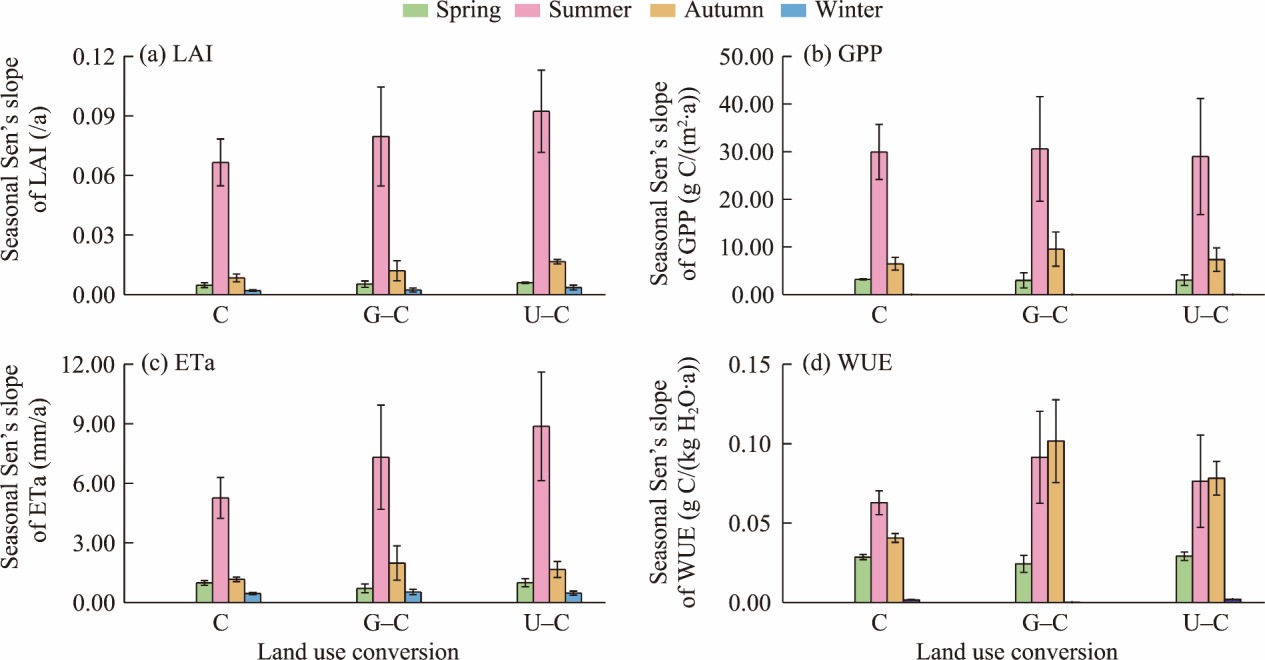
Fig. 6.
Temporal trends of LAI (a), GPP (b), ETa (c), and WUE (d) from 2000 to 2020. The shaded areas represent standard deviations."
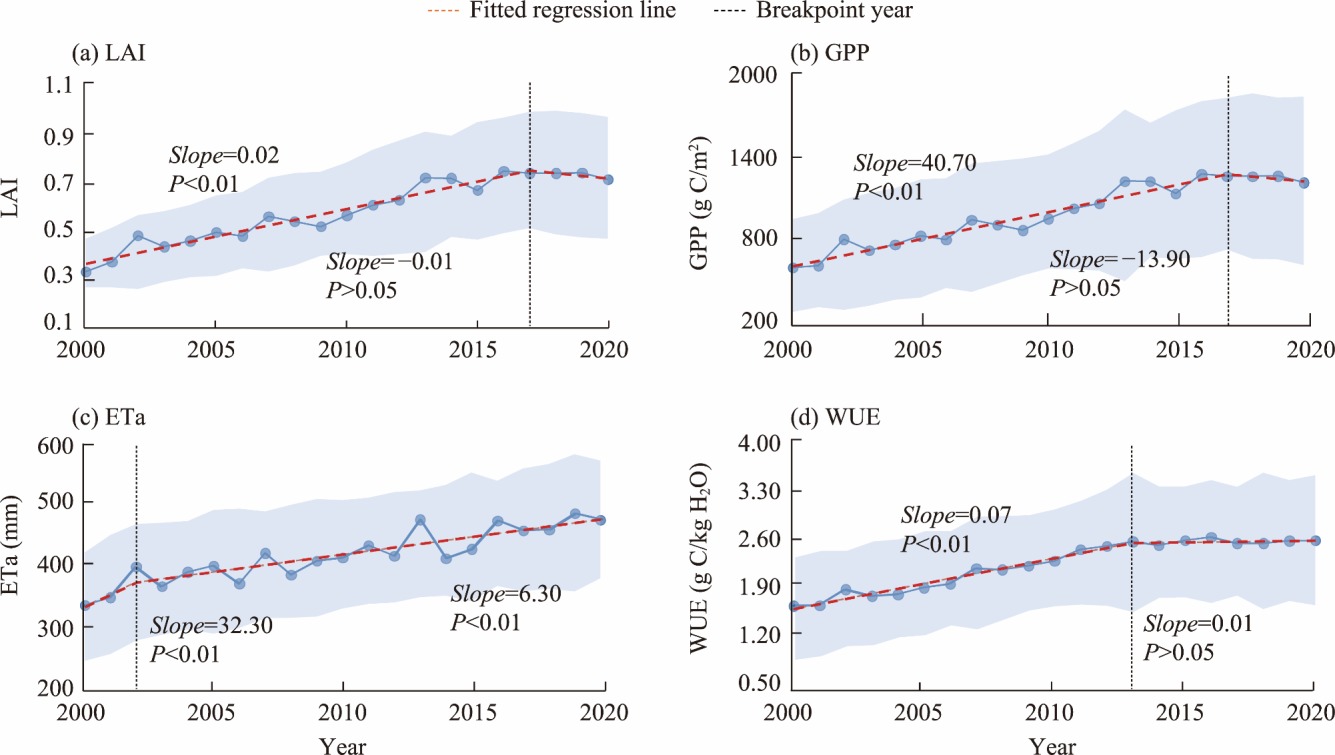
Fig. 7.
Trends in yield per unit area of major crops from 2000 to 2020. (a), grain; (b), wheat; (c), maize; (d), cotton; (e), oil crop; (f), sugar beet. The shaded areas indicate the standard deviations. The black vertical lines indicate the breakpoint years, and the red lines represent the fitted regression lines."
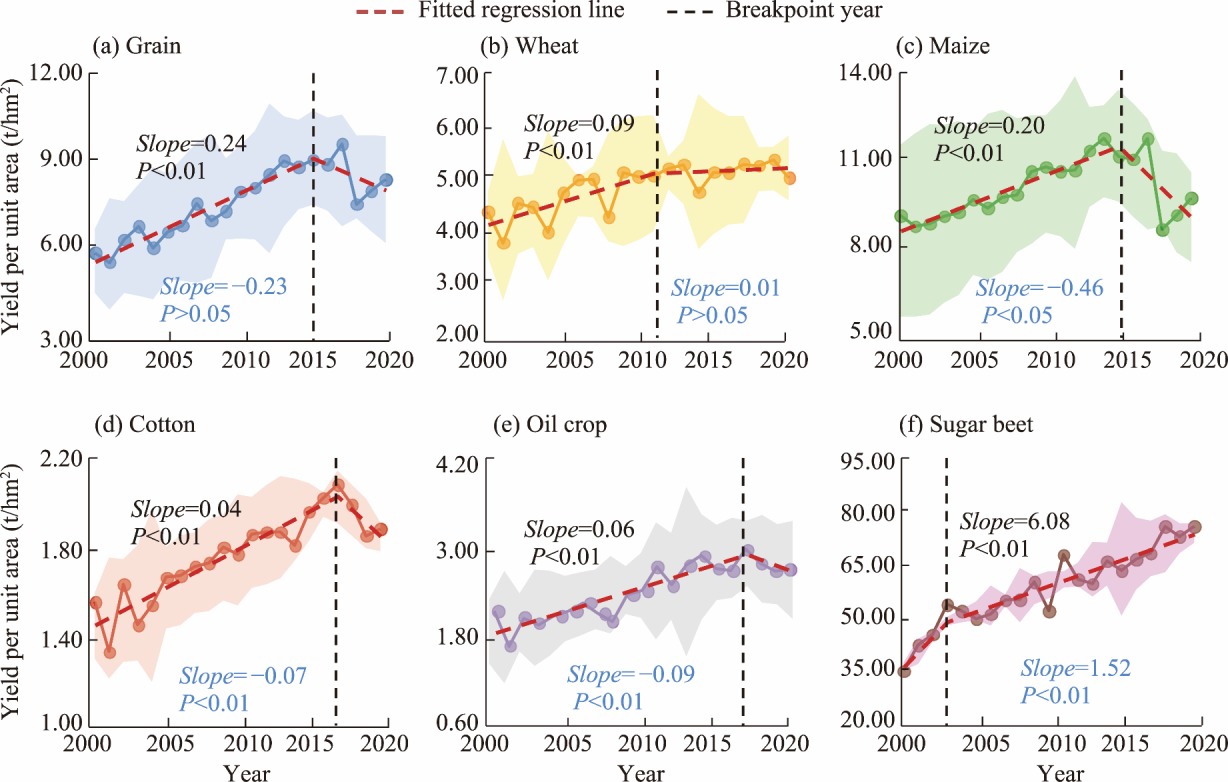
Fig. 8.
Temporal trends in the cultivated area of major crops (a) and food and cash crops (b) from 1990 to 2020."
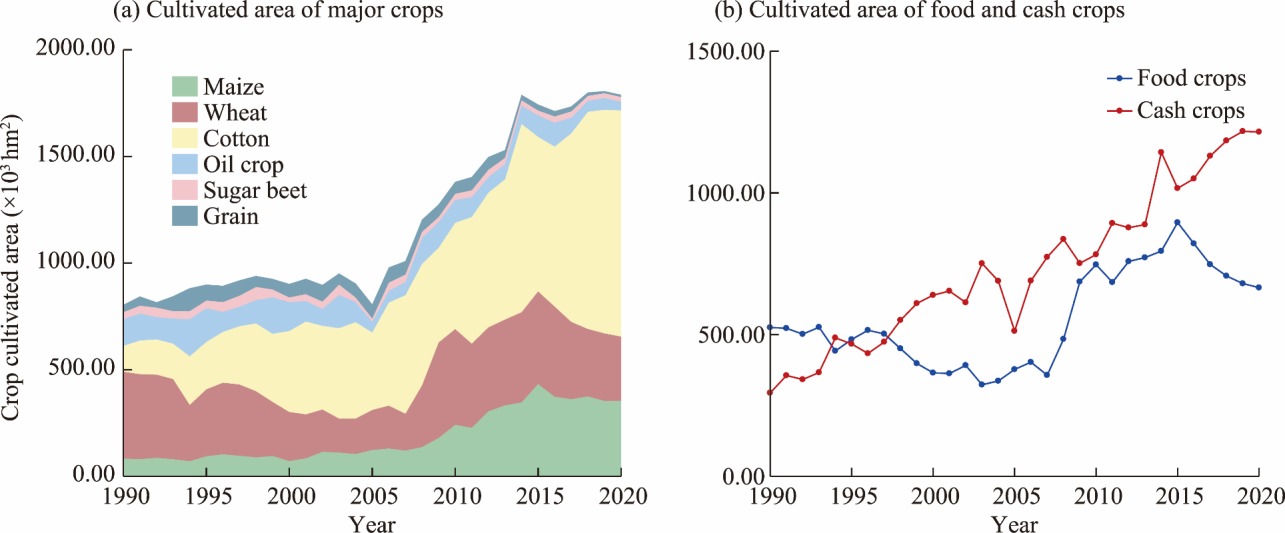
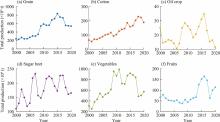
Fig. 9.
Trends in total production of major crops from 2000 to 2020. (a), grain; (b), cotton; (c), oil crop; (d), sugar beet; (e), vegetables; (f), fruits."
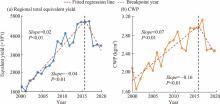
Fig. 10.
Trends of regional total equivalent yield (a) and crop water productivity (CWP; b) from 2000 to 2020."
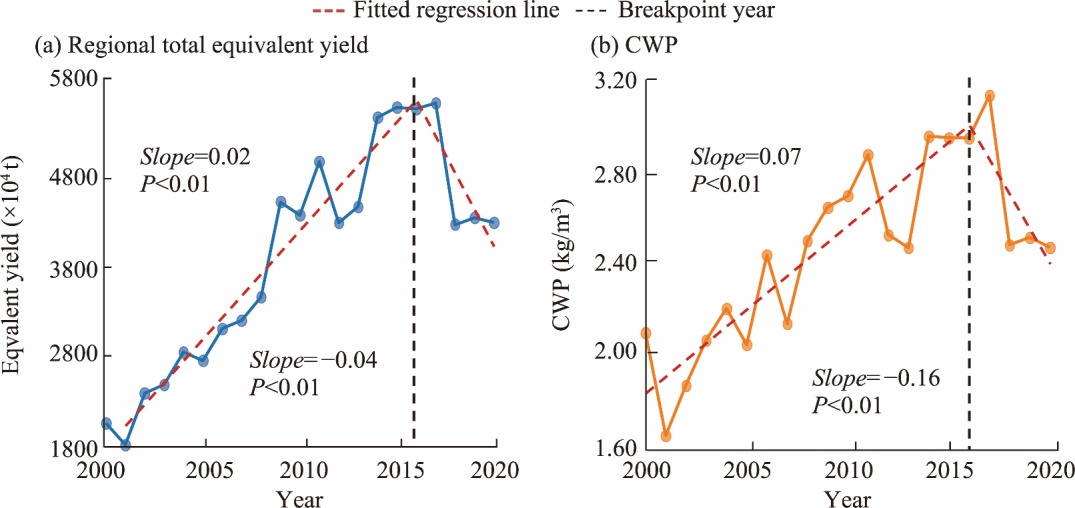
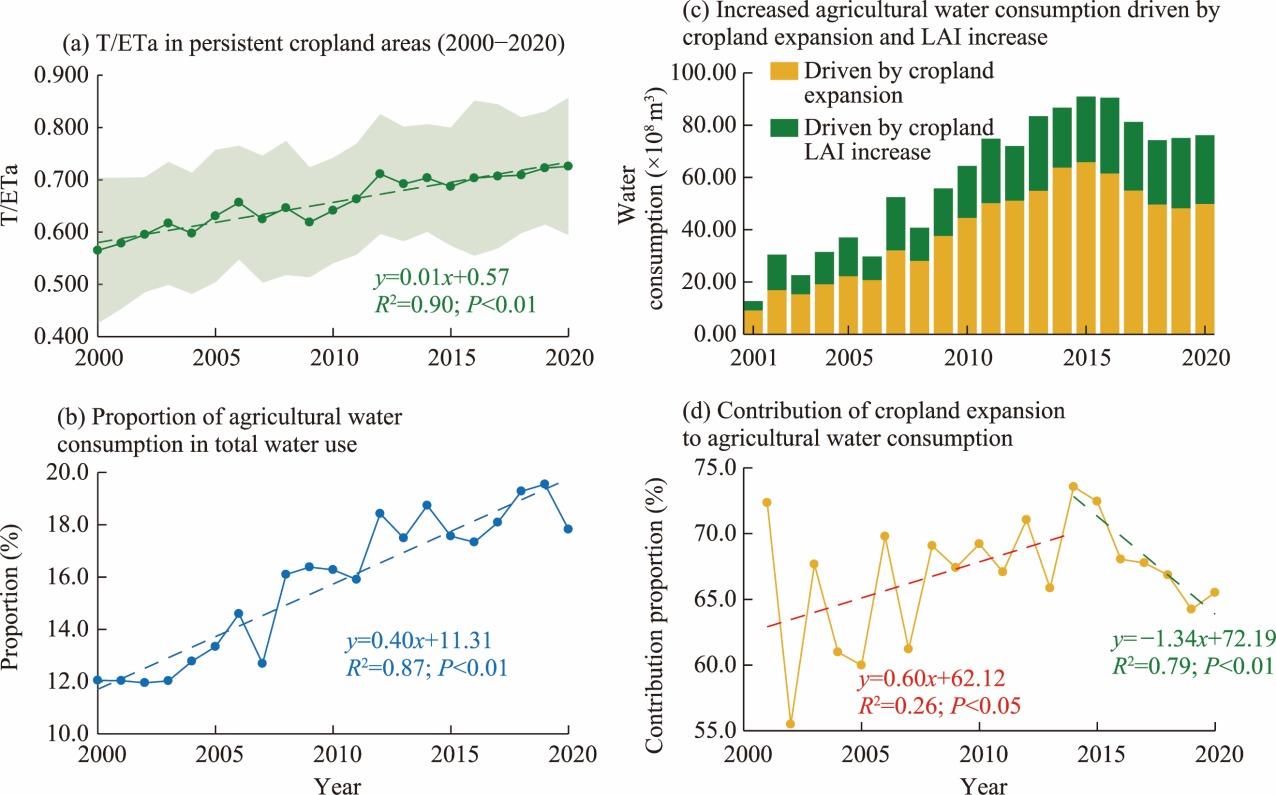
Fig. 11.
Characteristics of agricultural water consumption and its influencing factors. (a), T/ETa in persistent cropland areas throughout 2000-2020; (b), proportion of agricultural water consumption in total water use; (c), increased agricultural water consumption driven by cropland expansion and LAI increase; (d), contribution proportion of cropland expansion to agricultural water consumption."
| [1] | Ai Z., Wang Q., Yang Y., et al., 2020. Variation of gross primary production, evapotranspiration and water use efficiency for global croplands. Agricultural and Forest Meteorology. 287, 107935, doi: 10.1016/j.agrformet.2020.107935. |
| [2] |
Ali M.H., Talukder M.S.U., 2008. Increasing water productivity in crop production - A synthesis. Agricultural Water Management. 95(11), 1201-1213.
doi: 10.1016/j.agwat.2008.06.008 |
| [3] |
Assouline S., Russo D., Silber A., et al., 2015. Balancing water scarcity and quality for sustainable irrigated agriculture. Water Resources Research. 51(5), 3419-3436.
doi: 10.1002/wrcr.v51.5 |
| [4] |
Basal H., Dagdelen N., Unay A., et al., 2009. Effects of deficit drip irrigation ratios on cotton (Gossypium hirsutum L.) yield and fibre quality. Journal of Agronomy and Crop Science. 195(1), 19-29.
doi: 10.1111/jac.2009.195.issue-1 |
| [5] |
Bryan B.A., Gao L., Ye Y.Q., et al., 2018. China’s response to a national land-system sustainability emergency. Nature. 559(7713), 193-204.
doi: 10.1038/s41586-018-0280-2 |
| [6] |
Burn D.H., Elnur M.A.H., 2002. Detection of hydrologic trends and variability. Journal of Hydrology. 255(1-4), 107-122.
doi: 10.1016/S0022-1694(01)00514-5 |
| [7] | Chen C., Park T., Wang X.H., et al., 2019. China and India lead in greening of the world through land-use management. Nature Sustainability. 2, 122-129. |
| [8] | Chen J.X., Wu H., Zhang C.L., et al., 2023. An inexact bi-level multi-objective modeling approach for managing agricultural water-food-carbon-land-ecology-nutrition nexus in an arid area. Journal of Hydrology. 621, 129556, doi: 10.1016/j.jhydrol.2023.129556. |
| [9] | Chen P., Wang S., Liu Y.X., et al., 2024. Spatio-temporal dynamics of aboveground biomass in China’s oasis grasslands between 1989 and 2021. Earth’s Future. 12(3), e2023EF003944, doi: 10.1029/2023EF003944. |
| [10] | Cheng Y.X., Xiao F., Huang D.Y., et al., 2024. High canopy photosynthesis before anthesis explains the outstanding yield performance of rice cultivars with ideal plant architecture. Field Crops Research. 306, 109223, doi: 10.1016/j.fcr.2023.109223. |
| [11] |
Deng X.P., Shan L., Zhang H.P., et al., 2006. Improving agricultural water use efficiency in arid and semiarid areas of China. Agricultural Water Management. 80(1-3), 23-40.
doi: 10.1016/j.agwat.2005.07.021 |
| [12] | Ezenne G.I., Jupp L., Mantel S.K., et al., 2019. Current and potential capabilities of UAS for crop water productivity in precision agriculture. Agricultural Water Management. 218, 158-164. |
| [13] | Fan T.L., Wang S.Y., Li Y.P., et al., 2019. Film mulched furrow-ridge water harvesting planting improves agronomic productivity and water use efficiency in rainfed areas. Agricultural Water Management. 217, 1-10. |
| [14] | FAO (Food and Agriculture Organization of the United Nations), 2017. The Future of Food and Agriculture: Trends and Challenges.Rome: FAO. |
| [15] | FAO, 2021. The State of the World’s Land and Water Resources for Food and Agriculture: Systems at Breaking Point. Rome: FAO. |
| [16] | Fischer R.A., Turner N.C., 1978. Plant productivity in the arid and semi-arid zones. Annual Review of Plant Biology. 29, 277-317. |
| [17] |
Fong Y.Y., Huang Y., Gilbert P.B., et al., 2017. Chngpt: threshold regression model estimation and inference. BMC Bioinformatics. 18(1), 454, doi: 10.1186/s12859-017-1863-x.
pmid: 29037149 |
| [18] | Fu X.X., Li Z.H., Ma J.H., et al., 2025. Ecosystem resilience response to forest fragmentation in China: Thresholds identification. Journal of Environmental Management. 380, 125180, doi: 10.1016/j.jenvman.2025.125180. |
| [19] |
Grafton R.Q., Pittock J., Davis R., et al., 2013. Global insights into water resources, climate change and governance. Nature Climate Change. 3(4), 315-321.
doi: 10.1038/nclimate1746 |
| [20] |
Grafton R.Q., Williams J., Perry C.J., et al., 2018. The paradox of irrigation efficiency. Science. 361(6404), 748-750.
doi: 10.1126/science.aat9314 pmid: 30139857 |
| [21] | Gui Y., Wang K., Huntingford C., et al., 2025. Vegetation greenness in 2024. Nature Reviews Earth & Environment. 6(4), 255-257. |
| [22] | He H.J., Wang Z.H., Guo L., et al., 2018. Distribution characteristics of residual film over a cotton field under long-term film mulching and drip irrigation in an oasis agroecosystem. Soil and Tillage Research. 180, 194-203. |
| [23] |
He J., Yang K., Tang W.J., et al., 2020. The first high-resolution meteorological forcing dataset for land process studies over China. Scientific Data. 7(1), 25, doi: 10.1038/s41597-020-0369-y.
pmid: 31964891 |
| [24] |
He S.Y., Zhang Y.Q., Ma N., et al., 2022. A daily and 500 m coupled evapotranspiration and gross primary production product across China during 2000-2020. Earth System Science Data. 14(12), 5463-5488.
doi: 10.5194/essd-14-5463-2022 |
| [25] |
Ibragimov N., Evett S.R., Esanbekov Y., et al., 2007. Water use efficiency of irrigated cotton in Uzbekistan under drip and furrow irrigation. Agricultural Water Management. 90(1-2), 112-120.
doi: 10.1016/j.agwat.2007.01.016 |
| [26] | Kang Y.H., Wang R.S., Wan S.Q., et al., 2012. Effects of different water levels on cotton growth and water use through drip irrigation in an arid region with saline ground water of Northwest China. Agricultural Water Management. 109, 117-126. |
| [27] |
Keenan T.F., Hollinger D.Y., Bohrer G., et al., 2013. Increase in forest water-use efficiency as atmospheric carbon dioxide concentrations rise. Nature. 499(7458), 324-327.
doi: 10.1038/nature12291 |
| [28] | Leakey A.D.B., Ferguson J.N., Pignon C.P., et al., 2019. Water use efficiency as a constraint and target for improving the resilience and productivity of C3 and C4 crops. Annual Review of Plant Biology. 70(1), 781-808. |
| [29] | Levidow L., Zaccaria D., Maia R., et al., 2014. Improving water-efficient irrigation: Prospects and difficulties of innovative practices. Agricultural Water Management. 146, 84-94. |
| [30] |
Li C.J., Fu B.J., Wang S., et al., 2023. Climate-driven ecological thresholds in China’s drylands modulated by grazing. Nature Sustainability. 6(11), 1363-1372.
doi: 10.1038/s41893-023-01187-5 |
| [31] |
Li F.P., Zhan C.S., Xu Z.X., et al., 2013. Remote sensing monitoring on regional crop water productivity in the Haihe River Basin. Journal of Geographical Sciences. 23(6), 1080-1090.
doi: 10.1007/s11442-013-1064-0 |
| [32] | Li H.R., Mei X.R., Wang J.D., et al., 2021. Drip fertigation significantly increased crop yield, water productivity and nitrogen use efficiency with respect to traditional irrigation and fertilization practices: A meta-analysis in China. Agricultural Water Management. 244, 106534, doi: 10.1016/j.agwat.2020.106534. |
| [33] |
Liu M., Peng Z., Huang L.X., et al., 2023. Validation of crop evapotranspiration products based on eddy-covariance flux observations. National Remote Sensing Bulletin. 27(5), 1238-1253 (in Chinese).
doi: 10.11834/jrs.20222008 |
| [34] |
Liu Z.C., Ciais P., Peñuelas J., et al., 2025. Enhanced vegetation productivity driven primarily by rate not duration of carbon uptake. Nature Climate Change. 15(5), 560-568.
doi: 10.1038/s41558-025-02311-3 |
| [35] | Lu X.Y., Zou M.Z., Gan G., et al., 2025. Excessive irrigation-driven greening has triggered water shortages and compromised sustainability. Agricultural Water Management. 311, 109405, doi: 10.1016/j.agwat.2025.109405. |
| [36] |
Luo N., Meng Q.F., Feng P.Y., et al., 2023. China can be self-sufficient in maize production by 2030 with optimal crop management. Nature Communications. 14(1), 2637, doi: 10.1038/s41467-023-38355-2.
pmid: 37149677 |
| [37] | Mandal S., Vema V.K., Kurian C., et al., 2020. Improving the crop productivity in rainfed areas with water harvesting structures and deficit irrigation strategies. Journal of Hydrology. 586, 124818, doi: 10.1016/j.jhydrol.2020.124818. |
| [38] |
Meng F.D., Liu D., Wang Y.L., et al., 2023. Negative relationship between photosynthesis and late-stage canopy development and senescence over Tibetan Plateau. Global Change Biology. 29(11), 3147-3158.
doi: 10.1111/gcb.16668 pmid: 36883758 |
| [39] | Mukherjee A., Sarkar S., Chakraborty P.K., et al., 2012. Marginal analysis of water productivity function of tomato crop grown under different irrigation regimes and mulch managements. Agricultural Water Management. 104, 121-127. |
| [40] | Pan X.F., Zhang H.J., Yu S.C., et al., 2024. Strategies for the management of water and nitrogen interaction in seed maize production; A case study from China Hexi Corridor Oasis Agricultural Area. Agricultural Water Management. 292, 108685, doi: 10.1016/j.agwat.2024.108685. |
| [41] | Pei D.J., Wen Y., Li W.H., et al., 2024. Agricultural water rebound effect and its driving factors in Xinjiang, China. Agricultural Water Management. 304, 109086, doi: 10.1016/j.agwat.2024.109086. |
| [42] | Pérez-Blanco C.D., Loch A., Ward F., et al., 2021. Agricultural water saving through technologies: a zombie idea. Environmental Research Letters. 16(11), 114032, doi: 10.1088/1748-9326/ac2fe0. |
| [43] |
Reynolds J.F., Stafford Smith D.M., Lambin E.F., et al., 2007. Global desertification: Building a science for dryland development. Science. 316(5826), 847-851.
doi: 10.1126/science.1131634 pmid: 17495163 |
| [44] |
Rodell M., Houser P.R., Jambor U., et al., 2004. The global land data assimilation system. Bulletin of the American Meteorological Society. 85(3), 381-394.
doi: 10.1175/BAMS-85-3-381 |
| [45] | Rosa L., Chiarelli D.D., Rulli M.C., et al., 2020. Global agricultural economic water scarcity. Science Advances. 6(18), eaaz6031, doi: 10.1126/sciadv.aaz6031. |
| [46] | Statistical Bureau of Xinjiang Production and Construction Corps, 2001-2021. Statistical Yearbook of Xinjiang Production and Construction Corps (2000-2020). Beijing: China Statistics Press (in Chinese). |
| [47] | Statistical Bureau of Xinjiang Uygur Autonomous Region, 2024. Xinjiang Statistical Yearbook (2000-2020). Beijing: China Statistics Press (in Chinese). |
| [48] | Vadez V., Grondin A., Chenu K., et al., 2024. Crop traits and production under drought. Nature Reviews Earth & Environment. 5(3), 211-225. |
| [49] | Wang H.D., Wang N.J., Quan H., et al., 2022. Yield and water productivity of crops, vegetables and fruits under subsurface drip irrigation: A global meta-analysis. Agricultural Water Management. 269, 107645, doi: 10.1016/j.agwat.2022.107645. |
| [50] | Wang T.X., Tang X.G., Zheng C., et al., 2018. Differences in ecosystem water-use efficiency among the typical croplands. Agricultural Water Management. 209, 142-150. |
| [51] | Wang Y., Gao G.Y., Huang Y.Z., et al., 2025. Ecosystem water use efficiency and carbon use efficiency respond oppositely to vegetation greening in China’s Loess Plateau. Science of The Total Environment. 964, 178575, doi: 10.1016/j.scitotenv.2025.178575. |
| [52] | Wang Y.Y., Long A.H., Xiang L.Y., et al., 2020. The verification of Jevons’ paradox of agricultural water conservation in Tianshan District of China based on water footprint. Agricultural Water Management. 239, 106163, doi: 10.1016/j.agwat.2020.106163. |
| [53] |
Wanjura D.F., Upchurch D.R., Mahan J.R., et al., 2002. Cotton yield and applied water relationships under drip irrigation. Agricultural Water Management. 55(3), 217-237.
doi: 10.1016/S0378-3774(01)00175-5 |
| [54] | Wu P.N., Wang Y.L., Shao J., et al., 2024. Enhancing productivity while reducing water footprint and groundwater depletion: Optimizing irrigation strategies in a wheat-soybean planting system. Field Crops Research. 309, 109331, doi: 10.1016/j.fcr.2024.109331. |
| [55] |
Xie Z.K., Wang Y.J., Li F.M., et al., 2005. Effect of plastic mulching on soil water use and spring wheat yield in arid region of northwest China. Agricultural Water Management. 75(1), 71-83.
doi: 10.1016/j.agwat.2004.12.014 |
| [56] | Xu S.Q., Yu Z.B., Yang C.G., et al., 2018. Trends in evapotranspiration and their responses to climate change and vegetation greening over the upper reaches of the Yellow River Basin. Agricultural and Forest Meteorology. 263, 118-129. |
| [57] | Xu S.X., Su Y., Yan W., et al., 2023. Influences of ecological restoration programs on ecosystem services in sandy areas, Northern China. Remote Sensing. 15(14), 3519, doi: 10.3390/rs15143519. |
| [58] | Xue J., Gui D.W., Lei J.Q., et al., 2019. Oasification: An unable evasive process in fighting against desertification for the sustainable development of arid and semiarid regions of China. CATENA. 179, 197-209. |
| [59] |
Yang J., Huang X., 2021. The 30 m annual land cover dataset and its dynamics in China from 1990 to 2019. Earth System Science Data. 13(8), 3907-3925.
doi: 10.5194/essd-13-3907-2021 |
| [60] |
Yang K., He J., Tang W.J., et al., 2010. On downward shortwave and longwave radiations over high altitude regions: Observation and modeling in the Tibetan Plateau. Agricultural and Forest Meteorology. 150(1), 38-46.
doi: 10.1016/j.agrformet.2009.08.004 |
| [61] | Yang K., He J., Tang W.J., et al., 2019. China Meteorological Forcing Dataset (1979-2018). [2025-05-15]. https://cstr.cn/18406.11.Atmos.tpdc.302088. |
| [62] | Yang Y.T., Roderick M.L., Guo H., et al., 2023. Evapotranspiration on a greening Earth. Nature Reviews Earth & Environment. 4(9), 626-641. |
| [63] |
Yihun Y.M., Haile A.M., Schultz B., et al., 2013. Crop water productivity of irrigated teff in a water stressed region. Water Resources Management. 27(8), 3115-3125.
doi: 10.1007/s11269-013-0336-x |
| [64] | Yu H., Liu K.L., Bai Y.Y., et al., 2021. The agricultural planting structure adjustment based on water footprint and multi-objective optimisation models in China. Journal of Cleaner Production. 297, 126646, doi: 10.1016/j.jclepro.2021.126646. |
| [65] | Zhang F., Wang X.K., Liu S.J., et al., 2025. Effects of different pipe burial depths on crop yield, water productivity, and irrigation water productivity: A global meta-analysis. European Journal of Agronomy. 166, 127562, doi: 10.1016/j.eja.2025.127562. |
| [66] | Zhang W., Tian Y., Sun Z., et al., 2021. How does plastic film mulching affect crop water productivity in an arid river basin? Agricultural Water Management. 258, 107218, doi: 10.1016/j.agwat.2021.107218. |
| [67] | Zhang Y.Q., Kong D.D., Gan R., et al., 2019. Coupled estimation of 500 m and 8-day resolution global evapotranspiration and gross primary production in 2002-2017. Remote Sensing of Environment. 222, 165-182. |
| [68] |
Zhao A.Z., Yu Q.Y., Cheng D.Y., et al., 2022. Spatial heterogeneity of changes in cropland ecosystem water use efficiency and responses to drought in China. Environmental Science and Pollution Research. 29(10), 14806-14818.
doi: 10.1007/s11356-021-16829-4 |
| [69] | Zhao N., Zheng X.J., Zhang B., et al., 2025. Does water-saving irrigation truly conserve water? Yes and No. Agricultural Water Management. 311, 109399, doi: 10.1016/j.agwat.2025.109399. |
| [70] | Zhou X.Y., Zhang Y.Q., Sheng Z.P., et al., 2021. Did water-saving irrigation protect water resources over the past 40 years? A global analysis based on water accounting framework. Agricultural Water Management. 249, 106793, doi: 10.1016/j.agwat.2021.106793. |
| [71] | Zhu Y.X., Zheng Z.T., Zhao G., et al., 2025. Evapotranspiration increase is more sensitive to vegetation greening than to vegetation type conversion in arid and semi-arid regions of China. Global and Planetary Change. 244, 104634, doi: 10.1016/j.gloplacha.2024.104634. |
| [72] |
Zhu Z.C., Piao S.L., Myneni R.B., et al., 2016. Greening of the Earth and its drivers. Nature Climate Change. 6(8), 791-795.
doi: 10.1038/NCLIMATE3004 |
| [73] |
Zwart S.J., Bastiaanssen W.G.M., 2004. Review of measured crop water productivity values for irrigated wheat, rice, cotton and maize. Agricultural Water Management. 69(2), 115-133.
doi: 10.1016/j.agwat.2004.04.007 |
| [1] | CHEN Xuanhao, LI Chao, ZHANG Shiqiang. Nonlinear carbon-water coupling in terrestrial ecosystems: Insights from China’s Three-North Shelterbelt Forest region [J]. Regional Sustainability, 2026, 7(2): 100328-. |
| Viewed | ||||||
|
Full text |
|
|||||
|
Abstract |
|
|||||
 REGSUS Wechat
 新公网安备 65010402001202号